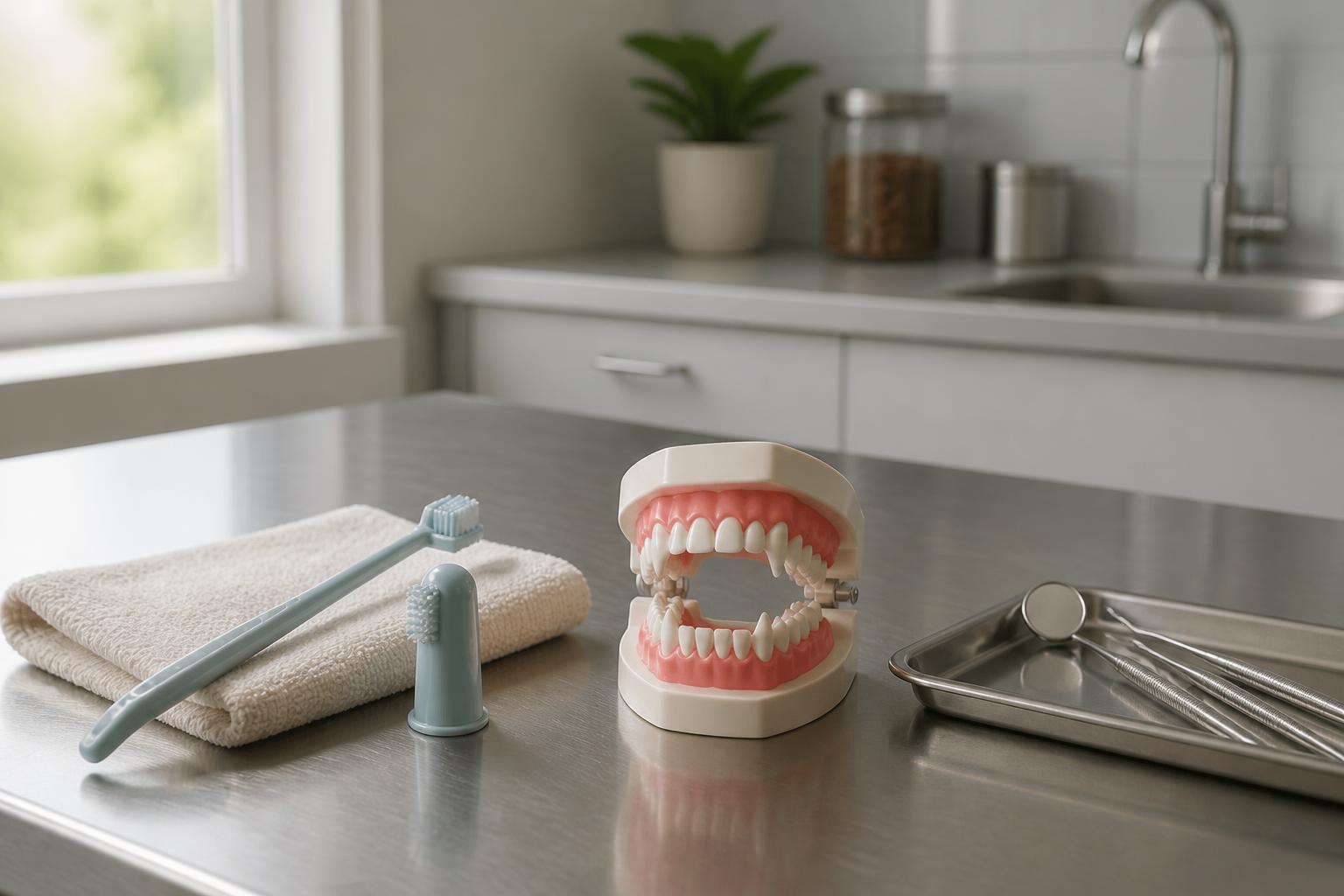
When your pet is chewing on one side, avoiding hard food, or pulling away when you touch the mouth, dental trouble may already be building. Bad breath, drooling, red gums, and visible tartar can be easy to ignore at first, but they often point to discomfort that deserves attention.
At ABC Day Spa, we help pet owners address dental concerns before they turn into bigger problems. If your dog or cat seems sore, hesitant to eat, or less willing to play with toys, we can take a closer look and guide the next step for dental care in San Diego, CA.
Pets rarely tell you their mouth hurts the way people do. Instead, the signs show up in behavior, appetite, and the way they handle food or toys. Paying attention early can make a major difference.
If you notice one sign or several, it is worth having the mouth checked rather than waiting for the problem to get louder. Dental issues often become more painful while appearing minor from the outside.
Dental care starts with understanding what is happening below the surface. A pet can have a clean-looking smile and still have sore gums, loose teeth, or hidden trouble along the gumline. We use the exam to look at the mouth as a whole, not just the obvious spots.
We check for tartar, plaque, gum redness, bleeding, and any signs that a tooth is worn, damaged, or loose. Small changes here can explain chewing problems and mouth sensitivity.
Some pets stop enjoying hard treats, dry kibble, or chew toys because the pressure hurts. Watching how your pet eats helps us understand whether the issue is mild discomfort or a more serious oral concern.
Pets may seem quiet, less social, or less interested in toys when their mouth is uncomfortable. Those changes matter just as much as what we see during the exam.
Dental care is about more than cleaner teeth. It can reduce mouth pain, improve eating behavior, and help your pet feel more comfortable during daily routines. When the mouth is irritated, even simple things like chewing, barking, grooming, or accepting treats may become frustrating.
Addressing dental concerns also helps you catch problems earlier. A small issue found during a visit may be much simpler to manage than a mouth that has been sore for a long time. That is why regular attention matters, especially for pets that already show tartar buildup, sensitive gums, or changes in eating habits.
When you bring your pet to ABC Day Spa for dental care, the visit begins with listening to what you have noticed at home. Changes in appetite, breath, chewing, or behavior help point us toward the right next step.
From there, we examine the mouth and look for signs of irritation, buildup, or tooth damage. If we find a concern, we talk through what it means and what may be most appropriate based on what your pet needs. The goal is to keep the process clear, calm, and practical.
It helps to note when symptoms started, what foods are being avoided, and whether your pet has been pawing at the mouth or chewing differently. Those details give helpful context.
We focus on the areas that matter most: teeth, gums, chewing comfort, and visible signs of pain or irritation. If needed, we can also connect dental concerns with other services such as diagnostic testing, senior pet care, or nutrition counseling when the situation calls for a broader look.
Some pets need dental care sooner than others. If you are unsure whether a change is serious, it is still smart to ask. Dental discomfort often grows gradually, so many owners do not realize how far things have gone until eating changes or bad breath becomes hard to miss.
You should consider scheduling a visit if your pet has any of the following:
Even if your pet seems to be getting by, dental discomfort can still be present. A careful look can help separate normal habits from signs that need attention.
Pets of different ages can have different dental needs. Young animals may need help getting used to mouth checks and oral handling, while older pets may show slower eating, extra tartar, or gum changes that deserve closer attention.
Young pets may mouth toys, nibble with enthusiasm, and experience changes as baby teeth move out. Dental attention at this stage helps you notice anything unusual early and understand what is normal for growing mouths.
Older pets may hide discomfort well. If your senior dog or cat is eating more slowly, skipping harder food, or acting less eager at mealtime, dental care can help uncover whether the mouth is part of the reason.
ABC Day Spa also provides senior pet care, which can be helpful when dental concerns are only one part of a bigger picture.
What happens at home matters between visits. You do not need complicated routines to notice changes. A few consistent habits can help you spot dental trouble early and make conversations during a visit more useful.
These simple observations do not replace a visit, but they can help you understand when your pet is asking for help.
Pets often show mouth pain through bad breath, drooling, hesitating to chew, pawing at the face, or refusing hard treats. Some also become quieter or less playful.
Small changes can still point to real discomfort. If a symptom is new, persistent, or getting worse, it is better to have it checked than to wait and see.
Some pets keep eating even when their mouths hurt. They may just chew differently, prefer softer food, or take longer at meals.
Yes. Mouth discomfort can make pets less interested in play, less patient with touch, or more withdrawn than usual.
Yes. Puppies and kittens can have oral changes, and early attention helps you notice anything unusual while they are still growing.
Yes. Depending on what we find, dental concerns may be discussed alongside wellness exams, diagnostic testing, nutrition counseling, or senior pet care.
If your pet has bad breath, gum irritation, or changes in chewing, do not wait for the signs to become harder to ignore. Dental care can help uncover what is causing the discomfort and give you a clear path forward.
For dental care in San Diego, CA, contact ABC Day Spa at +7149551124 or visit us at 4120 Clairemont Mesa Blvd Suite 101B, San Diego, CA 92117, USA. We are open Monday through Saturday from 9:00 AM to 5:00 PM.